
The Mount Rushmore State's Ivory Towers: A Comprehensive Guide to South Dakota's Top 10 Universities
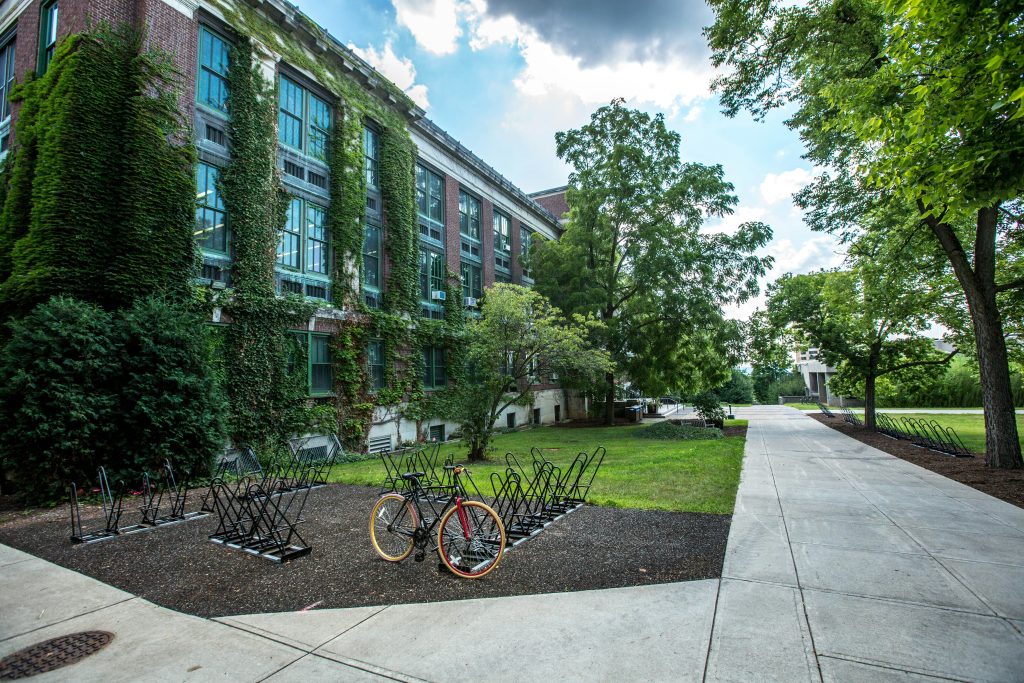
South Dakota, the land of the Great Plains, the majestic Black Hills, and the iconic Mount Rushmore, offers more than just breathtaking landscapes and rich history. Nestled within its borders is a diverse and robust higher education system designed to meet a wide array of academic aspirations and career goals. For prospective students seeking a blend of quality education, community-focused environments, and unique regional opportunities, the universities of South Dakota present compelling options.
This article provides an in-depth, ranked overview of the top ten universities in South Dakota. The ranking is based on a composite of factors including academic reputation, breadth and strength of programs, research output, student life, career outcomes, and overall value. We will journey from the state’s premier national research institution to its respected private and technical colleges, examining the academic subjects offered, campus life, and the distinct advantages and disadvantages of each.
1. South Dakota State University (SDSU) – Brookings
Overview:
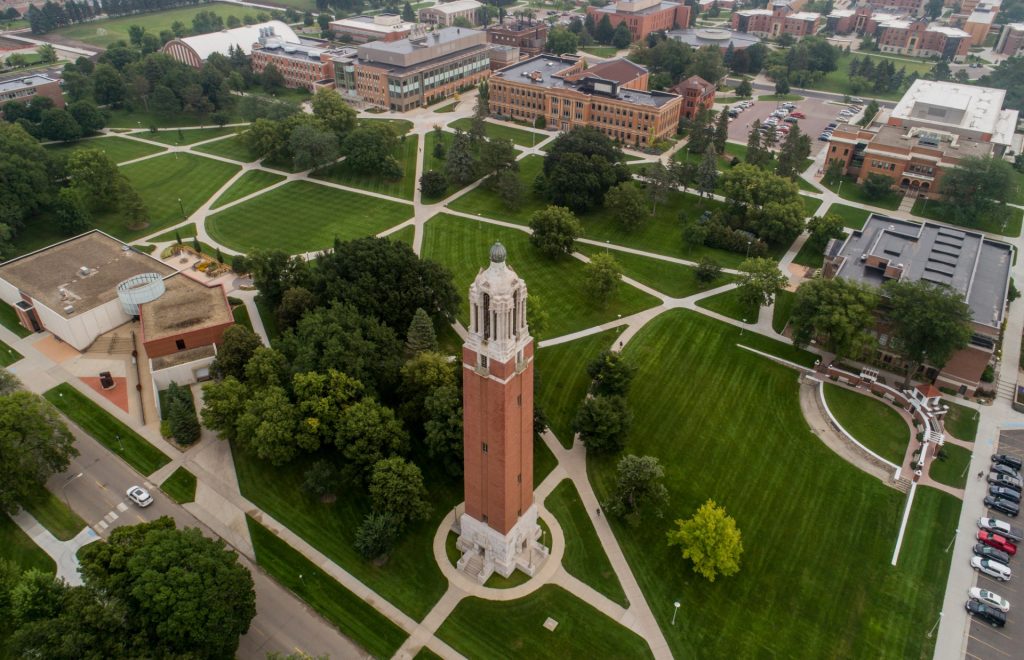
Established in 1881, South Dakota State University stands as the state’s largest, most comprehensive university and its premier land-grant institution. Located in Brookings, a vibrant college town in eastern South Dakota, SDSU combines a rich tradition in agriculture and engineering with growing strengths in health sciences, nursing, and liberal arts. As a research-intensive university classified as a “R2: Doctoral Universities – High research activity,” it offers a dynamic environment for students seeking hands-on learning and impactful research opportunities. Its size and scope make it the undeniable leader in South Dakota’s higher education landscape.
Academics and Subjects Taught:
SDSU offers a vast catalog of over 200 majors, minors, and specializations across eight colleges:
College of Agriculture, Food and Environmental Sciences: This is the university’s flagship college, renowned for programs in Animal Science, Agronomy, Agricultural Business, and Dairy Science. It boasts state-of-the-art facilities, including farms and research centers.
Jerome J. Lohr College of Engineering: Offers accredited programs in Civil, Electrical, Mechanical, and Agricultural Engineering, among others. It has strong ties to industry.
College of Nursing: One of the most respected nursing programs in the region, offering pathways from BSN to DNP.
College of Pharmacy and Allied Health Professions: A top-tier program known for its high pass rates on licensure exams.
College of Arts, Humanities and Social Sciences: Provides a strong foundation in disciplines like Biology, Chemistry, Psychology, History, English, and Political Science.
College of Education and Human Sciences: Prepares future teachers, counselors, and nutritionists.
College of Natural Sciences: Focuses on fundamental sciences.
Van D. and Barbara B. Fishback Honors College: Offers an enriched curriculum for high-achieving students.
Student Life and Conditions:
With an enrollment of over 11,000 students, SDSU provides a classic Big-School-American experience. Campus life is bustling with more than 200 student organizations, including a strong Greek life presence. The university is a member of the NCAA Division I Summit League, and its Jackrabbits teams, especially football and basketball, are a massive source of school pride, with the “Hobo Day” celebration being a legendary annual event. The new Student Union is a central hub for dining, socializing, and student activities. On-campus housing ranges from traditional residence halls to modern suite-style apartments. Brookings itself is a quintessential college town, consistently ranked as one of the safest in the nation, where the university is the heart of the community.
Pros:
Breadth and Depth of Programs: The widest selection of academic programs in the state.
Strong Research Opportunities: As an R2 university, undergraduates have access to meaningful research projects.
Robust Career Services & Alumni Network: Extensive connections with employers across the Midwest and beyond.
Vibrant Campus Life: A true residential campus experience with strong athletics and student activities.
Value: Offers a high-quality education at a relatively affordable cost, particularly for in-state students.
Cons:
Large Class Sizes: Introductory courses can be very large, sometimes numbering in the hundreds.
Impersonal Feel: Some students may feel like a number in such a large system if they don’t proactively seek out connections.
Harsh Winters: Brookings experiences cold, windy, and long winters, which can be a challenge for some.
Location: While a great college town, it is somewhat isolated from major metropolitan areas.
2. University of South Dakota (USD) – Vermillion
Overview:
Founded in 1862, the University of South Dakota in Vermillion is the state’s oldest university and its flagship public liberal arts institution. It carries a distinct character, blending a comprehensive liberal arts core with several professional schools of exceptional caliber. USD is best known for its highly respected School of Law and Sanford School of Medicine, which lend a professional and pre-professional atmosphere to the campus. Classified as an “R2: Doctoral University,” like SDSU, it emphasizes a strong teacher-scholar model where faculty are dedicated to both research and undergraduate teaching.
Academics and Subjects Taught:
USD is organized into several colleges, with particular strengths in:
College of Arts & Sciences: The heart of the university, offering strong programs in Biology (a popular pre-med major), Political Science, Criminal Justice, and Communications.
Knudson School of Law: South Dakota’s only law school, known for its bar passage rate and focus on American Indian Law.
Sanford School of Medicine: A community-based medical school with a strong reputation for producing physicians who practice in rural areas.
Beacom School of Business: Offers AACSB-accredited programs in Business Administration and Accounting.
College of Fine Arts: Home to the state’s only comprehensive programs in Art, Music, and Theatre.
School of Education: A leader in teacher preparation.
Student Life and Conditions:
USD has a smaller, more intimate enrollment of around 9,500 students. The campus, perched on a bluff overlooking the Missouri River, is one of the most picturesque in the state, with several historic buildings, including the beautiful National Historic Landmark, Old Main. Student life is active, with a strong focus on the arts and a collaborative, rather than competitive, academic environment. The Coyotes compete in NCAA Division I (Summit League and Missouri Valley Football Conference), and games are well-attended. Vermillion is a small, charming town where the university is the central focus, offering a tight-knit community feel.
Pros:
Strong Professional Schools: Unparalleled access to law and medicine within the state.
Liberal Arts Focus: Emphasizes critical thinking and communication skills across all majors.
Smaller Class Sizes: Generally smaller than SDSU, especially in upper-division courses, fostering closer faculty relationships.
Beautiful Campus: A historic and scenic learning environment.
Pre-Professional Advantage: An ideal environment for students on a pre-law, pre-med, or pre-health track.
Cons:
Smaller Town: Vermillion is even smaller and quieter than Brookings, which can feel limiting to some.
Fewer Program Offerings: While strong in its areas, it doesn’t have the sheer volume of program options that SDSU offers, particularly in engineering.
Limited Nightlife: Social life is heavily centered on campus events.
3. South Dakota School of Mines & Technology (SDSM&T) – Rapid City
Overview:
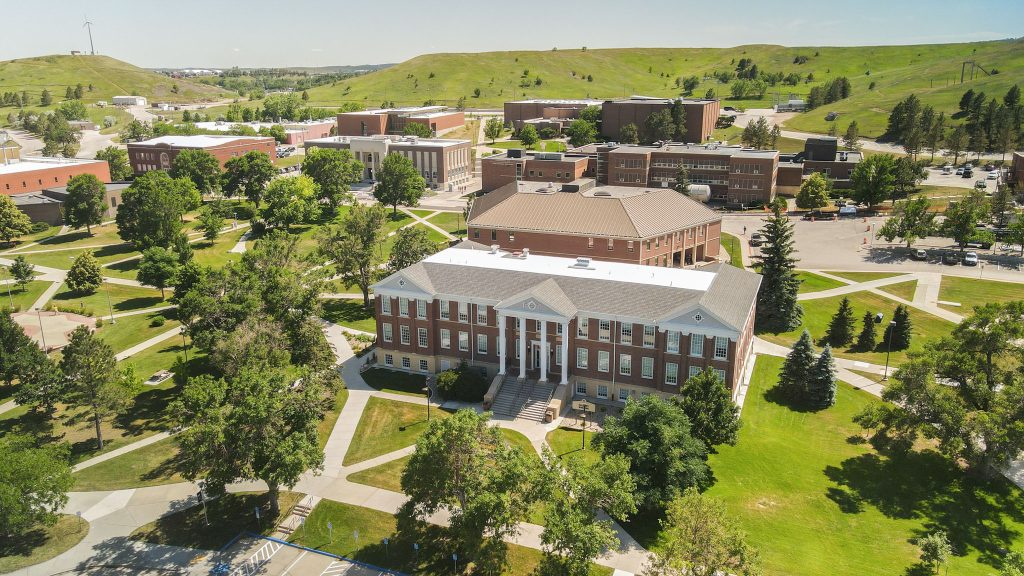
The South Dakota School of Mines & Technology in Rapid City is a specialized powerhouse. As the name implies, it is a STEM-focused university with a national reputation for producing highly skilled engineers and scientists. Its mission is narrow and deep: to provide a rigorous, hands-on education in engineering and science fields with an almost guaranteed high return on investment. If you want to be an engineer and thrive in a challenging, focused environment, Mines is arguably the best choice in the region.
Academics and Subjects Taught:
The curriculum is exclusively STEM-oriented. Key strengths include:
Engineering: All major disciplines are offered—Chemical, Civil, Electrical, Mechanical, Industrial, and Mining Engineering. The programs are heavily focused on practical application and design projects.
Sciences: Strong programs in Geology, Geological Engineering, Chemistry, Physics, and Atmospheric Sciences.
Computer Science and Mathematics: Growing programs that feed directly into the tech industry.
Interdisciplinary Centers: Home to specialized centers like the Composites and Nanomaterials Lab and the Advanced Manufacturing Lab.
Student Life and Conditions:
Life at Mines is unique. With an enrollment of just over 2,400 students, it has a small, intense, and collaborative culture. The workload is famously heavy, fostering a “we’re all in this together” mentality. There is no football team; instead, the Hardrockers compete in NCAA Division II athletics. The major draw for student life is its location in Rapid City, the state’s second-largest city. Students have immediate access to the Black Hills, offering world-class hiking, climbing, skiing, and camping. The city itself provides restaurants, shops, and cultural events that larger university towns lack.
Pros:
Exceptional ROI: Consistently ranked among the nation’s best for starting salaries and mid-career earnings.
High Job Placement Rate: Graduates are in extremely high demand by industry recruiters.
Hands-On, Rigorous Education: Small classes and a focus on labs and design projects.
Ideal Location: Proximity to Rapid City and the Black Hills is a huge lifestyle advantage for outdoor enthusiasts.
Strong Industry Connections: Excellent internship and co-op opportunities.
Cons:
Extremely Narrow Focus: Not the place for students undecided about STEM or who want a broad liberal arts education.
Intense Workload: The academic pressure is significant and can lead to stress.
Limited Social Scene: The campus social life is quieter and more academically oriented.
Gender Imbalance: The student body has a significantly higher percentage of male students, which can impact the social dynamic.
4. Augustana University – Sioux Falls
Overview:
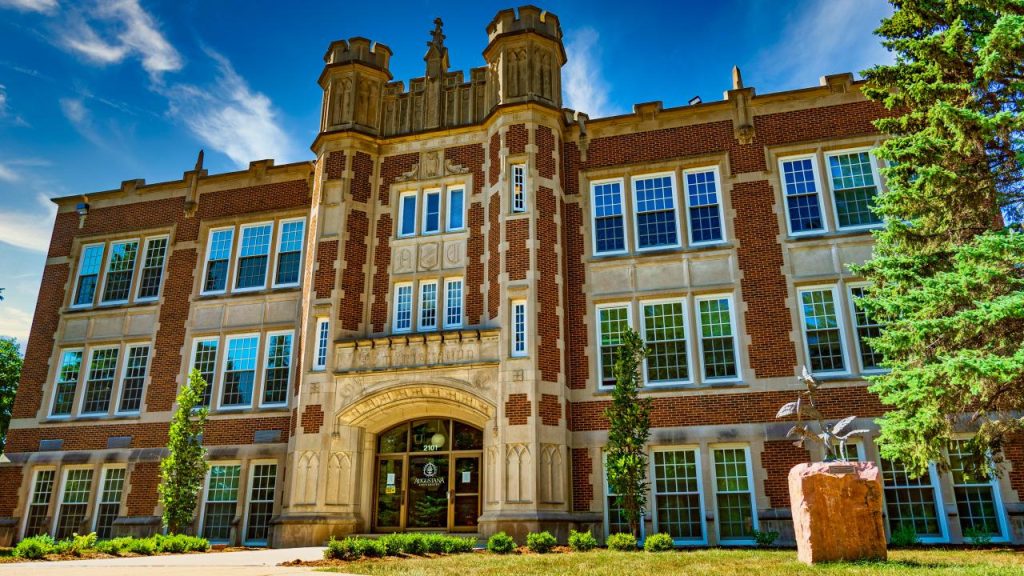
Augustana University in Sioux Falls is the state’s leading private liberal arts university. Affiliated with the Evangelical Lutheran Church in America, Augustana offers a personalized, high-touch education centered on the liberal arts tradition. Its location in South Dakota’s largest and most dynamic city provides a unique blend of a tight-knit campus community with immediate access to urban internships, cultural events, and employment opportunities.
Academics and Subjects Taught:
Augustana’s curriculum requires a strong core in the liberal arts for all students, regardless of major. Notable strengths include:
Health Sciences: Exceptionally strong pre-health programs (Pre-Med, Pre-PA, Pre-Physical Therapy) with high medical school acceptance rates. The new Froiland Science Complex is a state-of-the-art facility.
Business: The School of Business offers majors in Business Administration, Accounting, and Finance, with a focus on ethics and leadership.
Nursing: A highly selective and respected Bachelor of Science in Nursing program.
Humanities and Arts: Renowned programs in English, History, and Music.
The Augustana Plan: A unique general education curriculum that emphasizes interdisciplinary learning and cultural immersion.
Student Life and Conditions:
With about 2,100 students, Augustana fosters a close community where professors know their students by name. The campus is beautiful and well-maintained, located in a residential area of Sioux Falls. Student life is rich with traditions, including Viking Days, and a strong emphasis on service-learning. Athletics (NCAA Division II) and music ensembles are popular. The connection to Sioux Falls is a major asset, offering internships at major healthcare systems like Sanford Health and Avera Health, and Fortune 500 companies like Citibank.
Pros:
Personalized Attention: Small class sizes and a low student-to-faculty ratio.
Prime Location: The best of both worlds: a residential campus in a major city.
Strong Alumni Network: Graduates are loyal and well-placed, particularly in the region.
High Academic Quality: Rigorous academics with a focus on writing and critical thinking.
Excellent Facilities: Continual investment in new campus buildings and resources.
Cons:
High Cost: As a private institution, tuition is significantly higher than public universities, though generous merit scholarships are available.
Less Program Variety: Fewer major options compared to the large public universities.
Campus Bubble: While in a city, the campus itself can feel somewhat insular.
5. Dakota State University (DSU) – Madison
Overview:
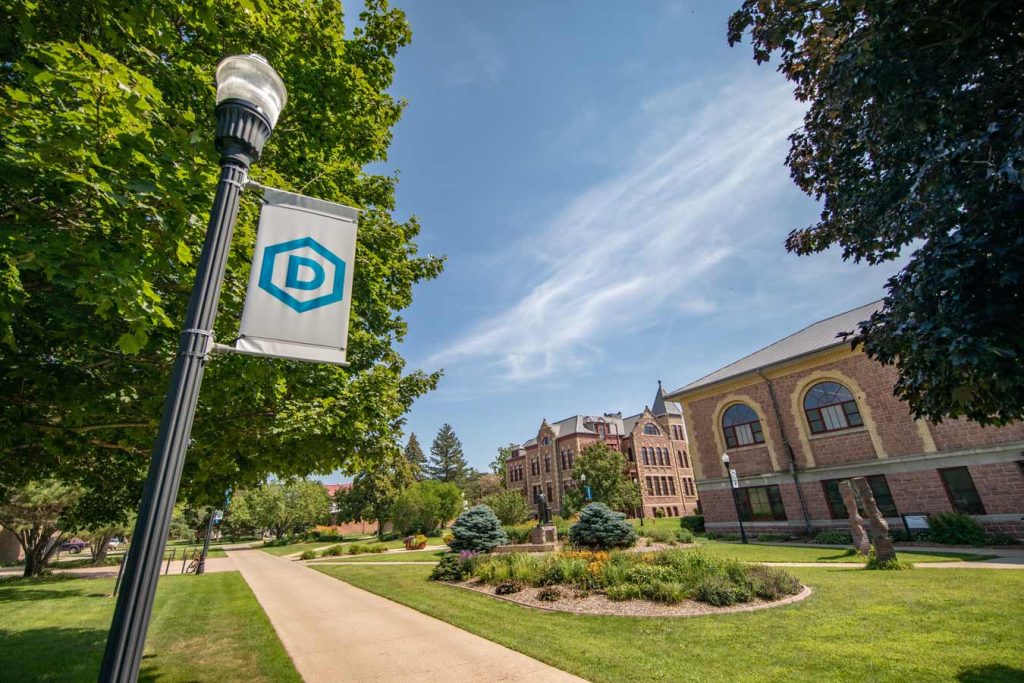
Dakota State University has carved out a powerful and unique niche as a national leader in cyber-security and computer-related fields. Originally a teacher’s college, it was redesigned by the state legislature in the 1980s to specialize in computer management, computer information systems, and related areas. Today, DSU is a dynamic university focused on preparing students for the high-demand digital world.
Academics and Subjects Taught:
DSU’s identity is firmly rooted in technology across all disciplines. The core strengths are:
The Beacom College of Computer and Cyber Sciences: Offers cutting-edge programs in Cyber Security, Network and Security Administration, Computer Science, and Artificial Intelligence. It is designated as a National Center of Academic Excellence in Cyber Defense.
College of Business and Information Systems: Integrates business fundamentals with technology, with programs like Business Analytics and Health Information Administration.
College of Education: Prepares tech-savvy teachers for the 21st-century classroom.
Interdisciplinary Approach: Even programs in Biology and English have a digital focus, such as Digital Biology and Professional Writing.
Student Life and Conditions:
DSU is a small university with around 3,500 students, creating a focused and innovative atmosphere. The campus is modern, with the “Madison Cyber Labs (MadLabs)” being a standout facility for research and learning. Located in Madison, a smaller town about 50 miles from Sioux Falls, it offers a quieter lifestyle. The Trojans compete in NAIA athletics. The student body tends to be highly motivated and career-focused.
Pros:
High-Demand Specialization: Graduates are sought after in the booming tech industry.
Cutting-Edge Curriculum: Programs are constantly updated to reflect industry trends.
Strong Industry Partnerships: Connections with government agencies and tech companies.
Small Class Sizes: Allows for personalized instruction in complex technical subjects.
Future-Proof Education: The focus on cyber-security and data science is highly relevant.
Cons:
Extremely Tech-Focused: Not ideal for students uninterested in technology.
Limited Traditional Liberal Arts: The humanities and social sciences are present but are not the main focus.
Location: Madison is a small town with fewer off-campus amenities.
6. Northern State University (NSU) – Aberdeen
Overview:
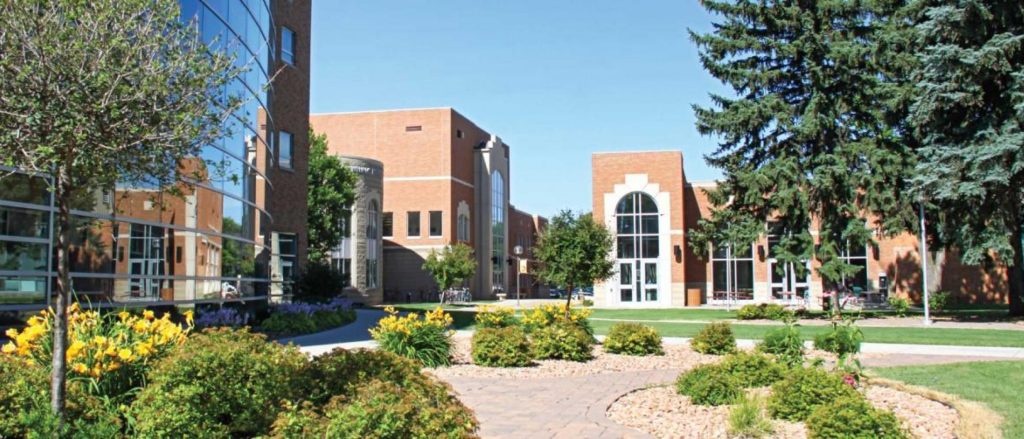
Northern State University in Aberdeen prides itself on being a “community of leaders” that offers a personalized, affordable public liberal arts education. With a beautiful campus and a strong emphasis on teacher education, business, and the fine arts, NSU provides a supportive and engaging environment where students can thrive.
Academics and Subjects Taught:
NSU’s strengths are in areas that serve the regional community and economy:
School of Education: A long-standing reputation for producing excellent teachers.
School of Business: Offers AACSB-accredited programs, a mark of quality shared by only 5% of business schools worldwide.
Fine Arts: Exceptional programs in Music, Art, and Theatre, with the Johnson Fine Arts Center as a premier venue.
Liberal Arts: Strong programs in Biology, Psychology, and Political Science.
Student Life and Conditions:
NSU is the smallest of the state’s public universities, with around 3,500 students, fostering a friendly, family-like atmosphere. The campus is known for its stunning landscaping and new facilities, including a regional science center and a sports complex. The Wolves compete in NCAA Division II athletics. Aberdeen is a regional hub city, offering more amenities than smaller towns while retaining a community feel.
Pros:
Highly Personalized: Arguably the most student-centered public university in the state.
AACSB-Accredited Business School: A significant advantage for business majors at a very affordable cost.
Beautiful, Invested-In Campus: Continual improvements to facilities.
Strong Sense of Community: A welcoming and supportive environment.
Affordability: One of the best tuition values in the region.
Cons:
Limited Graduate Programs: Primarily an undergraduate-focused institution.
Less Name Recognition: Outside the region, it may not have the same weight as SDSU or USD.
Aberdeen’s Climate: Winters can be particularly long and cold.
7. University of Sioux Falls (USF) – Sioux Falls
Overview:
The University of Sioux Falls is a private, Christian university affiliated with the American Baptist Churches USA. It offers a faith-based education in a supportive community setting. Similar to Augustana, it benefits from its location in Sioux Falls but with a distinct Christian identity and a strong emphasis on its athletic programs.
Academics and Subjects Taught:
USF integrates faith and learning across its curriculum. Key programs include:
Education and Nursing: These are the largest and most well-regarded programs, feeding directly into the Sioux Falls community.
Business: The Vucurevich Center for Entrepreneurship offers unique opportunities for business students.
Ministry and Christian Studies: Core programs that reflect the university’s mission.
Biology and Psychology: Popular undergraduate majors with pre-professional tracks.
Student Life and Conditions:
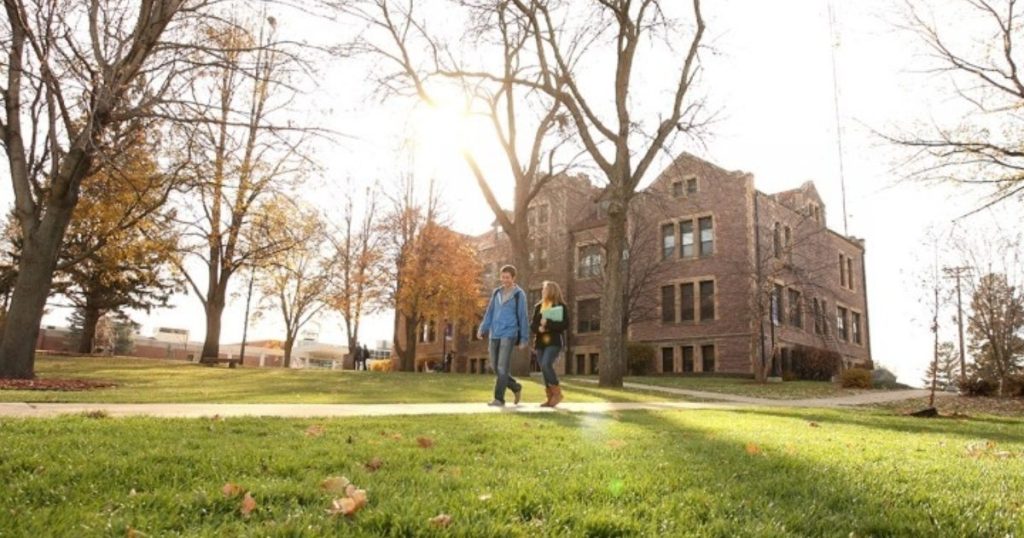
USF has a cozy campus with around 1,600 students, creating a close-knit environment. Faith plays a central role in campus life, with chapel services and service opportunities. The USF Cougars have a very successful NAIA athletics program, particularly in football, which is a major part of campus culture. The university’s location provides easy access to all the opportunities in Sioux Falls.
Pros:
Faith-Based Community: Ideal for students seeking to integrate their faith with their education.
Supportive Environment: A family-like atmosphere with strong student support services.
Strong Athletics: A great fit for student-athletes looking for a competitive NAIA experience.
Sioux Falls Location: Access to internships and jobs.
Cons:
Limited Academic Scope: Fewer degree options than larger universities.
Religious Requirements: May not be a good fit for students who do not want a faith-based education.
Small Size: Can feel too small for students seeking a large, diverse campus experience.
8. Mount Marty University – Yankton & Watertown
Overview:
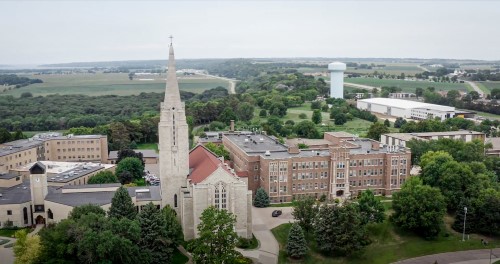
Mount Marty University is a small, private Catholic university founded by the Benedictine Sisters. With campuses in the historic riverfront town of Yankton (main campus) and in Watertown, it offers a values-based education rooted in the liberal arts and the Benedictine tradition of community, hospitality, and service.
Academics and Subjects Taught:
Mount Marty is known for its strong nursing and health science programs, along with a commitment to the liberal arts.
Nursing: The flagship program, known for its high NCLEX pass rates and clinical partnerships.
Sciences: Strong programs in Biology (pre-professional) and Medical Laboratory Science.
Business, Education, and Criminal Justice: Programs designed to meet regional workforce needs.
Humanities: A core liberal arts curriculum for all students.
Student Life and Conditions:
Life at Mount Marty is quiet, personal, and service-oriented. The Yankton campus, overlooking the Missouri River, is serene and picturesque. With only about 1,100 students across both campuses, it offers an incredibly personalized education. The Lancers compete in NAIA athletics. The atmosphere is heavily influenced by its Benedictine values, emphasizing respect and integrity.
Pros:
Highly Supportive Nursing Program: Excellent reputation and high job placement for nurses.
Tight-Knit Community: Students receive individual attention from faculty and staff.
Values-Based Education: Focus on developing the whole person.
Safe, Scenic Setting: The Yankton campus is peaceful and beautiful.
Cons:
Very Small Size: Limited social and academic options.
Limited Name Recognition: Primarily known within the region.
Limited Diversity: The student body is not very diverse.
9. Presentation College – Aberdeen (Note: Closed in 2023)
Important Note: Presentation College, a private Catholic institution in Aberdeen that was known for its nursing and health science programs, officially closed its doors at the end of the 2023 academic year. It served as an important institution for many years but is no longer an option for prospective students. Its programs and students were largely absorbed by other institutions in the state, including University of Mary, SDSU, and DSU.
10. Sinte Gleska University – Mission
Overview:
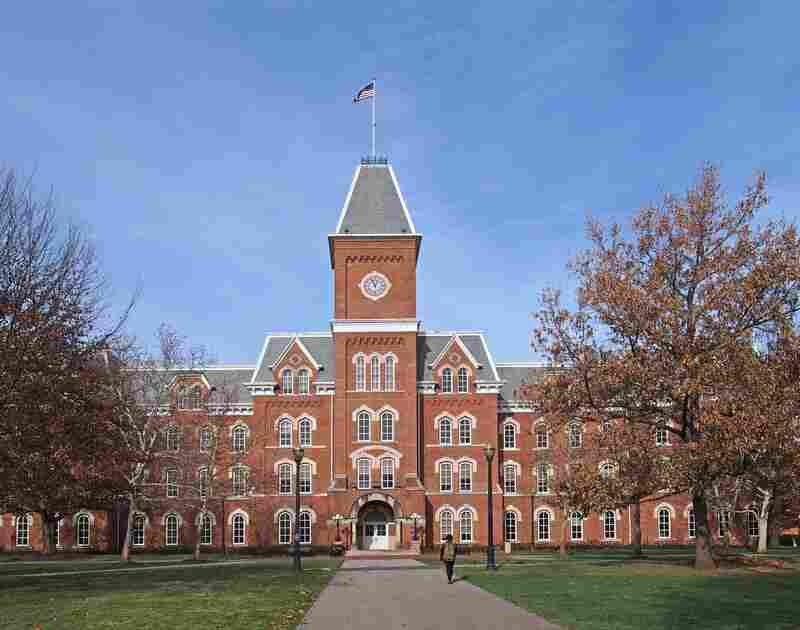
Sinte Gleska University stands apart as a unique and vital institution. It is a tribal university located on the Rosebud Indian Reservation, chartered by the Rosebud Sioux Tribe. Its mission is to provide higher education grounded in Lakota culture, language, and values, while also offering practical career-oriented programs to serve the reservation community.
Academics and Subjects Taught:
The curriculum is a blend of Lakota studies and mainstream academic disciplines:
Lakota Studies: The heart of the university, offering deep study of Lakota language, history, and culture.
Human Services and Education: Programs focused on preparing professionals to work within Native communities.
Business and Environmental Science: Programs tailored to the economic and environmental needs of the region.
Vocational Training: Offers certificates and associate degrees in practical fields.
Student Life and Conditions:
SGU serves a specific community and has a unique mission. It is a small institution with a deep cultural purpose. Campus life is intertwined with Lakota traditions and community events. It is not a traditional residential campus experience but is central to the life of the Rosebud Sioux Tribe.
Pros:
Cultural Mission: The only university of its kind in South Dakota, essential for preserving and promoting Lakota culture.
Serving a Critical Need: Provides accessible education and vocational training for the tribal community.
Deeply Community-Focused: Education is directly tied to the wellbeing of the reservation.
Unique Perspective: Offers a worldview and educational approach not found anywhere else.
Cons:
Very Specific Mission: Its focus is not designed to appeal to a general student population.
Limited Resources: Faces financial and infrastructural challenges common to tribal colleges.
Not a Traditional University Experience: The academic and social offerings are very different from mainstream universities.
Conclusion: Finding Your Fit in South Dakota
The “best” university in South Dakota is not a single answer but a question of fit. The state’s institutions offer a remarkable range of experiences:
For the student seeking a large, comprehensive, Big-Ten-style experience, South Dakota State University is the clear choice.
For those drawn to the liberal arts and prestigious professional schools like law and medicine, the University of South Dakota offers a historic and intimate setting.
Aspiring engineers and scientists looking for a rigorous, high-ROI education will find a perfect home at the South Dakota School of Mines & Technology.
Students wanting a personalized private school experience in an urban setting should consider Augustana University.
For future tech and cyber-security experts, Dakota State University provides a cutting-edge, specialized education.
When making a decision, prospective students must weigh factors like academic focus, campus size, location, cost, and campus culture. South Dakota’s universities, from the sprawling campuses of its public flagships to the focused missions of its private and tribal colleges, provide a wealth of opportunities for those willing to explore the educational landscape of the Mount Rushmore State.
Address
- 440 E 8th St, Sioux Falls, SD 57103, USA
- easyessay@essaypulse.us